Aura: Daily I AM Affirmations
- 4.8
- Rating
- 100.00K
- Installs
- Free
- Price

 Analysis by App-foxy
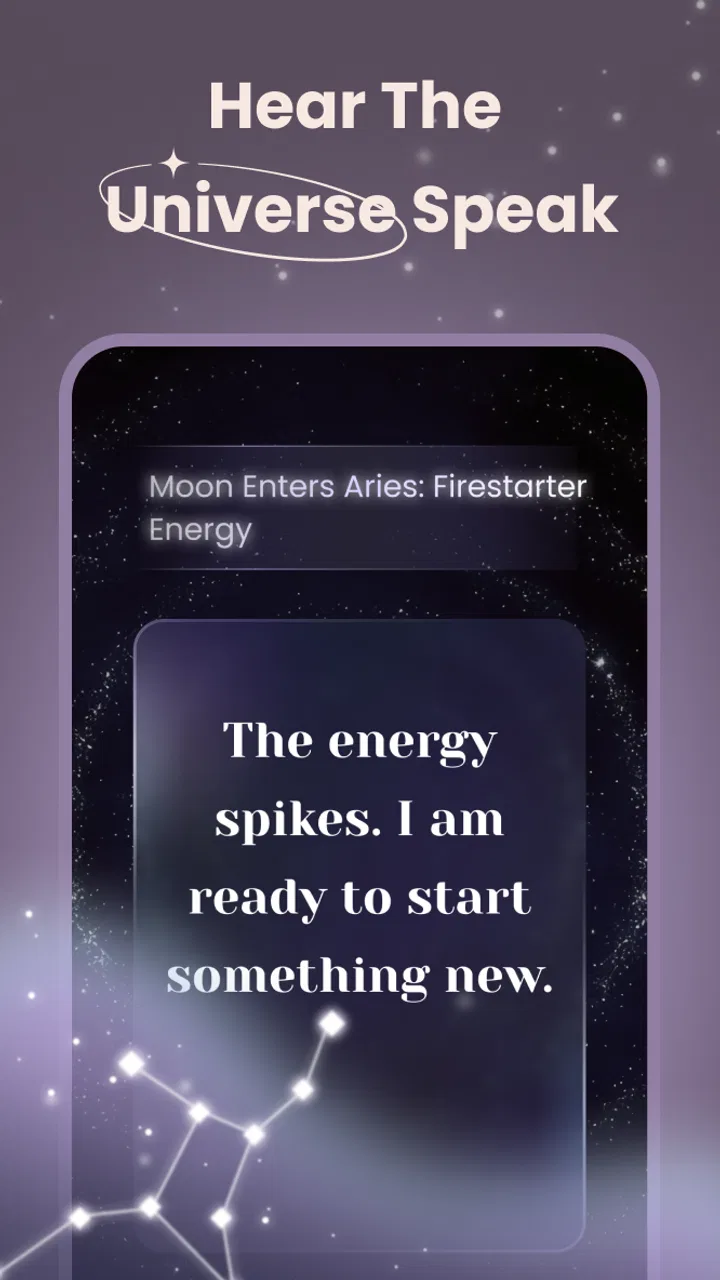
I approached Aura Alarm as a lifestyle app rather than just another reminder tool. Its focus is daily motivation, self-love, stress relief, and a more positive mindset, but what matters in practice is how comfortably those ideas fit into a normal day. I found the concept appealing because it connects an alarm-like moment with a short emotional reset, instead of asking me to open a full meditation session whenever I feel tense.
The app comes from UPLOSS LIMITED and is available free of charge, with optional purchases ranging from $2.99 to $39.99 per item. It is rated for Everyone, which makes the tone accessible to a broad audience. The current release is version 1.1.5, and the app requires an operating system version of 10 or later. That combination makes it easy to consider for a modern phone, although anyone using an older device should check compatibility before planning around it.
How Aura Alarm fits into everyday routines
My first impression is that this app works best when treated as a small daily habit, not as a complete answer to stress or low mood. The idea of receiving a positive prompt around an alarm is useful because it attaches encouragement to a moment that already exists in my routine. I do not have to remember to open a wellness app at exactly the right time. The reminder itself creates the opportunity.
You May Also Like

 Pandora - Music & Podcasts
Pandora’s Music Is Easy to Start, but Harder to Recover
Pandora’s strength is its low-effort path from a seed to a station. Its weak spot is how much confidence it asks you to place in connection, setup, and quiet recovery.

 AccuWeather: Weather Radar
AccuWeather Review: A Quick, Clear Forecast for Everyday Decisions
For everyday plans, the best forecast is the one you can understand quickly. AccuWeather makes rain timing, radar, and local conditions easy to act on, with a few trade-offs.

 Hill Climb Racing
Why Hill Climb Racing Still Turns Crashes Into One More Run
A tiny car, a bumpy hill and one more upgrade: Hill Climb Racing keeps resurfacing because its simple chaos makes every near-miss feel personal.

 AliExpress - Shopping App
AliExpress Makes Global Shopping Feel Personal, but Shoppers Bear the Risk
AliExpress turns a global marketplace into a pocket-sized discovery engine. Its reach is useful, its shopping loop compelling, and its trade-offs easy to miss.

 Lords Mobile: Kingdom Wars
Lords Mobile Is a Kingdom-Building Routine, Not a Quick Match
A case-by-case verdict on the building, battles, device demands, and social commitments that make Lords Mobile rewarding for some players and exhausting for others.

 PDF Scanner app - TapScanner
TapScanner Makes Paperwork Easier to Capture, Check, and Share
TapScanner makes scanning with a phone feel less like a rescue operation and more like a dependable step in getting work done. Its capture tools are useful, though not flawless.
More From Our News Desk
View All News


A realistic use case would be a busy morning when I am already thinking about work, school, or family responsibilities. Instead of reaching for social media immediately, I could use the alarm moment as a brief pause: read the affirmation, take a breath, and decide what deserves attention first. That is a modest benefit, but modest benefits are often easier to maintain than ambitious routines that demand a quiet room and twenty uninterrupted minutes.
The same approach can work before bed or during an afternoon slump, provided the chosen routine does not become another notification to dismiss automatically. I would recommend placing it at a moment when I am likely to have a few seconds of attention. If it appears during a commute, a meeting, or a demanding task, its message may become background noise rather than useful support.
The app’s strong public reception suggests that the basic idea connects with many users. It holds a 4.7 average from around 2.3 thousand ratings, and it has passed 100 thousand installs. Those figures do not prove that every person will find the reminders meaningful, but they do indicate that the format has attracted a substantial audience for a relatively focused lifestyle tool.
What the alarm concept does well
The most interesting strength is the timing. Traditional affirmation apps usually depend on the user remembering to open them, while a standard alarm is functional but emotionally neutral. Aura Alarm sits between those two approaches. It gives a routine event a more encouraging tone without requiring the user to build an elaborate wellness schedule.
I also like the possibility of using it as a transition marker. A morning alarm can mark the change from sleep to activity. A reminder later in the day can mark the change from work to personal time. Used this way, the app is less about believing every sentence instantly and more about creating a deliberate pause before moving into the next part of the day.
One practical tip is to avoid placing the reminder at the busiest point of a routine. If I am rushing to leave home, I am unlikely to absorb a reflective message. A slightly earlier or calmer moment may make the same prompt more effective. This is a small adjustment, but it is the kind of adjustment that determines whether a wellness app becomes part of life or gets ignored after the first week.
Where it differs from familiar alternatives
Compared with a conventional alarm, the appeal here is emotional framing rather than advanced time management. A normal alarm wakes me up, but it does not encourage me to examine how I am starting the day. Compared with a meditation app, Aura Alarm appears more suitable for short contact points than for guided sessions that require sustained concentration. Compared with journaling, it offers less room for personal detail but also demands much less effort.
That trade-off is important. If I want breathing instruction, long audio sessions, mood tracking, or a detailed record of personal reflections, I would look for a more specialized wellness product. If I only want a gentle prompt attached to a daily routine, this narrower approach may be easier to keep using.
I would not choose it as a replacement for professional mental-health care, crisis support, or a structured treatment plan. Positive reminders can complement healthy habits, but they cannot address serious anxiety, depression, trauma, or persistent sleep problems on their own. The app makes the most sense as a lightweight personal aid.
Trust, controls, and moments that deserve attention
When I review an app built around personal routines and emotional wellbeing, I pay attention to trust as much as presentation. An alarm or affirmation tool may feel simple, but it can become part of private moments: waking up, winding down, feeling overwhelmed, or trying to regain focus. That makes visible user choices especially important.
Aura Alarm is free to start, but the optional purchases deserve a deliberate look before confirming anything. The available items run from $2.99 to $39.99 per item, so I would not tap through a premium screen automatically. I would first identify what the free experience already provides, then decide whether a paid option adds something I would genuinely use repeatedly. A one-time curiosity is rarely a good reason to buy a wellness feature.
There is also a useful distinction between an app being free to download and an app being free of ongoing commercial decisions. I would treat the free entry point as a chance to test whether the reminders fit my routine, not as a promise that every element will remain available without payment. Reading each purchase screen carefully is the simplest way to keep control of that choice.
The age classification is Everyone, which signals broad suitability in terms of content. It should not be confused with a guarantee that every message will match every person’s emotional situation. An affirmation that feels comforting on one day may feel overly simple or even irritating on another. I would use the app selectively rather than assuming that a positive tone is always appropriate.
Data-sensitive moments in a lifestyle app
Personal wellbeing tools can invite users to think about private feelings, even when the app itself is not a diary. That means I would avoid entering sensitive information unless the app clearly explains why it is needed and how it is handled. I would also review the phone’s permission prompts one by one instead of approving them reflexively.
I am careful here not to treat the app’s purpose as proof of any particular data practice. The fact that an app offers affirmations does not tell me what information it collects, retains, shares, or connects to an account. Those details should be judged through the app’s visible privacy explanations and the operating system’s permission controls, not guessed from its category.
A good personal workflow is to install the app, inspect the first permission request, and ask whether the requested access is necessary for the function I want. If a permission seems unrelated to alarms or reminders, I would pause and look for an explanation before continuing. I would also revisit device-level permissions later, because choices made during setup are easy to forget.
Another data-sensitive moment is changing phones or deleting the app. Before relying on any routine, I would look for visible account, backup, export, or deletion controls if those options appear in the interface. I would not assume that personal settings or history transfer automatically. This is especially relevant for anyone who invests time in customizing a wellness routine.
User agency matters more than constant positivity
The best way to use this kind of app is actively, not passively. I would choose a schedule that supports my day, silence or adjust it when circumstances change, and avoid letting the notification dictate my mood. If a prompt feels unhelpful, I should be able to dismiss it without treating that as a personal failure.
That is also why I would test the app during an ordinary week rather than judging it after one enthusiastic morning. The key question is not whether an affirmation sounds pleasant in isolation. The better question is whether the reminder helps me pause, refocus, or start a task with less friction. If it becomes another alert I clear without reading, the routine needs changing or the app may simply not suit me.
A useful advanced habit is to pair the prompt with one concrete action. After reading it, I might drink water, write down the first task of the day, stretch for a minute, or put the phone aside. This prevents the experience from becoming empty repetition. The affirmation becomes a cue for behavior, which is more practical than expecting words alone to transform a difficult morning.
I would also be cautious about using it as a tool for self-judgment. Missing a reminder does not mean I have failed at self-care. A healthy routine should be flexible enough to survive travel, illness, late nights, and busy periods. If the app encourages guilt because I did not respond perfectly, I would reduce its frequency or stop using it.
Who should try it, and who should skip it
I think Aura Alarm is a good fit for someone who likes short motivational prompts and wants encouragement attached to a familiar alarm routine. It may also suit people who find full meditation apps too demanding, or who want a simple way to create a pause between sleep, work, and personal time.
It is less suitable for someone looking for detailed mental-health tools, treatment guidance, extensive personalization, or deep progress tracking. It may also disappoint users who dislike affirmations, prefer practical task reminders, or want every feature available without optional purchases. In those cases, a standard alarm, calendar app, journaling tool, or structured meditation service may be a better match.
I would be particularly careful if notifications already overwhelm me. Adding another alert can increase friction instead of reducing it. The smartest test is to begin with one meaningful daily moment, observe whether I actually engage with it, and expand only if it proves useful. More reminders do not automatically create more calm.
My cautious verdict
After looking at the app as both a routine tool and a privacy-sensitive lifestyle product, I see a clear but limited purpose. It is not trying to replace every wellness practice. Its value comes from making a small emotional reset easier to remember, especially at the beginning of the day or during a predictable transition.
I appreciate that the free starting point lowers the barrier to trying it, while the optional purchases mean I would still examine upgrade screens carefully. The broad age rating and simple premise make it approachable, but they do not remove the need to review permissions, privacy explanations, notification settings, and account controls for myself.
My recommendation is cautious but positive: try it if you want a gentle alarm-based prompt, and keep it only if it changes what you do next. I would use the free experience first, keep notifications limited, avoid sharing sensitive details unnecessarily, and treat every paid choice as optional rather than essential. For a small daily nudge, Aura Alarm has a sensible place; for serious emotional support or a full wellness system, I would choose a more specialized alternative.
With its July 24, 2025 release and current version 1.1.5, the app is still something I would evaluate through actual daily use rather than assumptions. The developer, UPLOSS LIMITED, has created a focused lifestyle experience whose success depends heavily on timing and personal fit. If the reminders help me begin or reset a routine with more intention, that is enough to make the app worthwhile. If they become noise, the honest decision is to turn them off.
FAQs for Aura: Daily I AM Affirmations
01What platforms is Aura Alarm, Daily Affirmations available on?
Aura Alarm, Daily Affirmations is available for both Android and iOS devices. Users can easily download the app from the Google Play Store or Apple App Store. The app is designed to integrate seamlessly with your device’s native alarm functions while providing a unique experience with daily affirmations.
02How does Aura Alarm, Daily Affirmations enhance my morning routine?
Aura Alarm combines the functionality of a traditional alarm clock with the benefits of positive affirmations. Each morning, you'll wake up not only to a gentle alarm but also to uplifting affirmations that can help set a positive tone for your day. This combination aids in reducing stress and promoting a positive mindset.
03Can I customize the affirmations and alarm settings?
Yes, Aura Alarm offers extensive customization options. Users can select from a variety of alarm tones and set multiple alarms to fit their schedule. Additionally, you have the option to choose or create personalized affirmations, allowing for a more tailored experience that aligns with your personal goals and preferences.
04Is there a cost associated with using Aura Alarm, Daily Affirmations?
Aura Alarm offers a free version with basic features. However, there is a premium subscription available that unlocks additional functionalities, such as a wider selection of affirmations, exclusive alarm tones, and enhanced personalization options. This subscription is optional and can be tailored to meet your needs.
05Does Aura Alarm require an internet connection to function?
The basic alarm functionalities and pre-loaded affirmations in Aura Alarm do not require an internet connection. However, to access new affirmations, update your library, or utilize certain premium features, an internet connection will be necessary. This allows the app to provide fresh content and ensure optimal performance.
Pros
- User-friendly interface
- easy to navigate.
- Wide variety of soothing alarm tones.
- Personalized affirmation reminders.
- Customizable alarm settings.
- No intrusive ads
- smooth experience.
Cons
- Limited free features
- premium needed.
- Requires internet for daily updates.
- No integration with external apps.
- Battery consumption can be high.
- Lacks snooze customization options.

Aura: Daily I AM Affirmations
Gallery